
Overbed table for patient care at home: comfort, dignity, and safer recovery—explained
2026-03-30 9:47
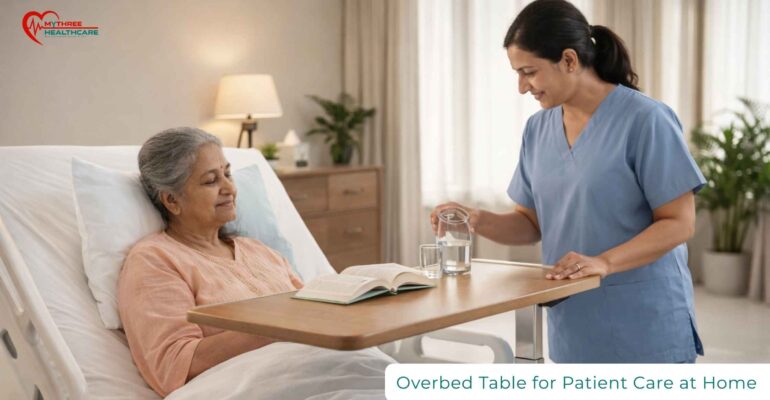
A practical overbed table for patient care at home is often the “missing piece” in home recovery—and it matters more than most families realize. Studies and patient-safety observations commonly highlight that a large portion of falls in care settings happen around the bed area, especially during everyday tasks like reaching for items, eating, or shifting positions. This is exactly where a well-designed overbed table can reduce risky movements and simplify routine care.
When someone in your family is recovering from surgery, a stroke, a fracture, or living with long-term weakness, the home suddenly becomes a mini-care unit. Daily activities that used to feel ordinary—having a meal, taking medicines, keeping a phone nearby, signing documents, using a laptop, doing physiotherapy movements—start demanding time and physical effort. Caregivers also feel the pressure because they have to constantly “be there” to pass items, adjust posture, or clean up spills.
The good news: the right bedside support equipment can transform the caregiving experience. A professional overbed table is not simply a “tray.” It’s a patient comfort tool, a hygiene tool, and a workflow tool for caregivers—especially when paired with a proper hospital bed.
What is an overbed table and why does it matter in home patient care?
An overbed table is a mobile tabletop designed to slide over or alongside a patient bed, usually supported by a stable base and adjustable height mechanism. In professional home-care setups, it becomes an extension of the bed—like a safe “personal workstation” that reduces unnecessary strain.
What makes it critical is not just convenience, but prevention. Many patients attempt to reach for food, water, a phone, or a medicine strip placed on a side table. In a weak condition, a small leaning movement can cause imbalance, dizziness, or pain. This is why an overbed table is a practical step toward mobility support—it brings essentials closer, so the patient doesn’t have to “fight the bed” to do normal tasks.
Why an overbed table is more than “just a tray”
Families sometimes try to use household furniture—like a small dining table, stool, or breakfast tray. It works for a day or two, until the real challenges appear: unstable placement, wrong height, spills, back pain, and constant lifting by the caregiver. Over time, this increases frustration and reduces the patient’s independence.
Key functions in real life home care
- Safe eating surface for meals without bed stains or repeated shifting
- Medicine station for strips, water, timing charts, thermometer
- Personal zone for phone, charger, books, prayer items, glasses
- Caregiver convenience during feeding, sponge bath prep, wound dressing supplies
- Rehab-friendly support for exercises that need a stable surface
How to choose the right overbed table for patient care at home
The best overbed table is the one that matches the patient’s condition, the type of bed, and the daily routine of care. Before choosing, think about the patient’s mobility level, whether feeding assistance is required, and how long the equipment will be needed.
1) Adjustable height is non-negotiable
The first feature you should look for is an adjustable bed table mechanism. A patient may need different heights while:
- Eating in a semi-upright position
- Using a laptop or writing
- Resting and sleeping (table moved away)
- Using physiotherapy aids or light equipment
With adjustability, the table can “meet the patient where they are,” rather than forcing the patient to twist or strain. This supports comfort, posture, and breathing—particularly important for elderly patients and those with chest congestion.
2) Tabletop width and load capacity
A too-small table leads to spills and clutter. A too-large table becomes hard to move. Ideally, the tabletop should hold a full meal plus water bottle, tissues, and a medicine box without feeling crowded. Load capacity matters if the patient uses a laptop, hot water bag, or small devices.
3) Mobility and locking safety
Wheels improve usability, but only when paired with proper locking. A table that moves unexpectedly can create panic and even injuries. Look for steady movement, secure brakes, and a base design that fits around the bed legs.
What is the connection between an overbed table and safer feeding at home?
Feeding is one of the most frequent activities in home patient care, and also one of the messiest. When feeding happens without the right surface, caregivers end up balancing plates on pillows or bedsheets, and the patient ends up eating in uncomfortable angles.
This is where an overbed table functions like a food tray hospital bed setup—clean, elevated, stable, and positioned correctly for comfort.
Benefits during feeding and hydration
- Reduces choking risk by supporting upright eating posture
- Makes spoon-feeding easier for caregivers
- Prevents frequent bed linen changes due to spills
- Keeps water accessible, supporting hydration and medicine routines
- Creates a routine and a “normal mealtime feeling” for the patient
Overbed table + hospital bed: why this combination changes everything
An overbed table works best when paired with a proper hospital bed because the patient can be positioned correctly. For example, adjusting the backrest angle, raising/lowering bed height, and enabling side support improves both patient comfort and caregiver ergonomics.
With the correct setup, the caregiver doesn’t have to bend continuously. The patient doesn’t have to struggle to sit up. And the recovery environment feels organized and professional—like the home has been upgraded for healing.
Ideal use cases for this combo
- Post-surgery recovery (orthopedic, abdominal, spine-related)
- Stroke rehabilitation
- Elderly weakness and fall-risk management
- Fractures requiring partial immobilization
- Long-term bed rest where pressure-care is needed
Comparing common bedside table options (what works, what fails)
Many families start with makeshift alternatives because they seem cheaper in the short term. But during weeks of recovery, that “small compromise” becomes daily discomfort.
| Option | Works for | Limitations in home patient care |
|---|---|---|
| Normal side table | Keeping items nearby | Patient has to reach; higher fall risk; not usable for feeding |
| Breakfast tray | Temporary meals | Unstable; spills; wrong height; no mobility or locking |
| Foldable laptop table | Basic support | Often doesn’t fit hospital bed frames; poor stability; limited adjustability |
| Professional overbed table | Feeding, medicines, rehab, daily activities | Best long-term option; ideal when properly chosen and maintained |
Common mistakes families make (and how to avoid them)
The biggest pain in home caregiving isn’t only the patient’s condition—it’s the repeated small inconveniences that steal time and energy. Most of those inconveniences are avoidable if the right equipment is arranged early.
Mistake 1: Waiting until the patient is already uncomfortable
By the time you realize the need, caregivers are already stressed and the patient is already dependent. Early setup builds confidence, independence, and smoother routines.
Mistake 2: Choosing equipment based only on price
If an overbed table is unstable or has poor height adjustment, it can become unsafe. In patient care, “cheap” becomes expensive when it creates falls, spills, back pain, or hospital readmissions.
Mistake 3: Renting a bed but missing essential accessories
People often rent a bed but forget supportive accessories like overbed tables, side rails, mattresses for pressure care, or commode chairs. Recovery works best when the whole environment is designed for care—not just one big item.
Feeling like your home care setup is incomplete?
Mythree Healthcare helps families arrange hospital beds and essential patient care equipment for rent or purchase, so recovery becomes smoother and safer.
Call +91 8904139314 or fill the contact form at https://mythreehealthcare.com/contact/. You can also send a WhatsApp message using the interface on the website—Mythree Healthcare’s team will call you back and guide you through rental or purchase options.
How an overbed table supports independence and patient confidence
The emotional side of recovery is often underestimated. Patients who suddenly become bed-dependent may feel embarrassed while eating, asking for water, or needing help for every small item.
A well-positioned overbed table restores a sense of control. Patients can:
- Keep essentials reachable without repeatedly calling the caregiver
- Follow meal routines with dignity
- Use a phone or book independently
- Write notes or track medicines
This “small freedom” improves mood—and when mood improves, participation in physiotherapy and daily recovery tasks often improves too.
When should you rent vs buy an overbed table and hospital equipment?
Many families in Bangalore and Hyderabad ask the same question: should we rent equipment or purchase it? The best answer depends on how long you need it and whether the patient’s condition is temporary or ongoing.
Renting makes sense when:
- Recovery is expected in weeks to a few months
- You need quick setup without large upfront costs
- You want flexibility to upgrade/downgrade equipment later
- Home space is limited and you don’t want storage later
Buying makes sense when:
- The patient has long-term mobility challenges
- There is repeated need in the family (elder care)
- You want full-time home care readiness
In both cases, what matters most is choosing professional-grade equipment that is reliable, safe, and easy to maintain.
Step-by-step: Setting up an overbed table safely at home
Correct placement makes a huge difference. A poorly placed table can become inconvenient and be pushed away. A correctly placed table becomes part of the patient’s daily routine.
- Position the base correctly: Ensure the overbed table frame slides under/around the bed safely.
- Adjust height: Keep the surface near elbow level when the patient is seated upright.
- Lock wheels: Always lock the wheels during feeding, writing, or medicine handling.
- Keep essentials organized: Use a small basket/box for medicines and hygiene items.
- Clean daily: Wipe the tabletop to maintain hygiene and avoid infections.
Why choose Mythree Healthcare for patient care equipment in Bangalore and Hyderabad?
Setting up home care isn’t just a purchase decision—it is a safety decision. The quality of equipment directly affects: comfort, caregiver workload, hygiene, and day-to-day risk.
Mythree Healthcare is a hospital equipment provider supporting families who need reliable care setups at home. They offer hospital beds and other equipment for rent and for purchase, helping patients recover in a more comfortable environment without unnecessary complications.
What Mythree Healthcare helps you achieve
- Faster setup for urgent home care needs
- Access to professional home-care equipment without confusion
- Better patient comfort through the right accessories, not just the bed
- A safer home recovery environment with reduced daily strain
To rent or purchase medical equipment with Mythree Healthcare, fill and submit the form at https://mythreehealthcare.com/contact/, or reach out on +91 8904139314.
You can also send a WhatsApp message using the interface on the website to request information on rental or purchase. The Mythree Healthcare team will call you back and assist you with the best option for your patient’s needs.
About Mythree Healthcare
Mythree Healthcare is a healthcare support and medical equipment provider focused on enabling safer, more comfortable recovery at home. Based in India and serving major urban regions including Bangalore and Hyderabad, Mythree Healthcare supplies hospital beds and essential home-care equipment on both rental and purchase models, designed to match real patient needs and modern caregiver expectations.
If you are arranging care for an elderly parent, a post-operative patient, or a long-term recovery case, choosing the right equipment early can prevent stress later. An overbed table may look like a small addition—but in real home care, it becomes the everyday comfort tool that keeps routines stable. Don’t wait until caregivers are exhausted and patients are frustrated.
Frequently Asked Questions
An overbed table for patient care at home becomes truly valuable when it reduces strain for the patient and the caregiver while supporting everyday tasks like eating, reading, taking medicines, and using a laptop.
Mythree Healthcare focuses on practical designs that improve comfort, safer positioning, and easy access—so home care feels less like a hospital setup and more like a supportive, dignified recovery environment.
Choosing an adjustable bed table depends on the patient’s mobility level, bed height, and intended usage (meals, nursing tasks, writing, devices).
A good option should provide stable height adjustment, smooth movement near the bed, easy-to-clean surface, and enough tabletop space to hold essentials. Mythree Healthcare can help match the table style to the care setting—whether it’s post-surgery recovery, elderly assistance, or long-term home nursing.
Yes—an overbed table can effectively serve as a food tray hospital bed alternative for home use, while offering more flexibility. Unlike basic trays, an overbed table provides better height positioning and surface stability to reduce spills and prevent awkward posture during meals.
For patients with limited sitting balance, Mythree Healthcare recommends options that are easy to pull close to the body and stay stable during use.
It is safe when the table is stable, positioned correctly, and not overloaded. Many caregivers use the tabletop for storing medicines, water bottles, monitoring devices, and personal items like spectacles or a phone.
To keep it safer:
- Place heavier items closer to the center of the table
- Ensure the table height allows the patient to reach without twisting
- Move the table away during patient transfers to prevent accidental bumps
Mythree Healthcare solutions are designed for practical day-to-day use so caregivers can keep essentials organized and within reach.
While the table is not a walking aid, it can indirectly improve mobility support by making daily routines easier and reducing unnecessary bending and repeated caregiver lifting.
For example, when meals, hydration, reading, and rehab instructions are conveniently placed, patients can focus energy on physiotherapy and safe movement instead of exhausting small tasks. Mythree Healthcare helps caregivers set up a patient-friendly bedside environment that supports safer, steadier recovery at home.
In compact spaces, the best setup keeps the table accessible without blocking caregiver movement. Ideally, the table should slide close during meals or tasks, and then be parked slightly to the side when not needed.
Mythree Healthcare also advises ensuring there is enough clearance for:
- Wheelchair or walker access (if used)
- Caregiver assistance for turning and transfers
- Emergency access to the patient from both sides of the bed (when possible)
Hygiene is important because bedside tables often get exposed to food spills, medicine residue, and frequent touch. Choose a table with a smooth, easy-to-wipe surface and minimal grooves where dirt can collect.
Mythree Healthcare recommends routine wiping with a mild disinfectant, especially after meals, and a deeper cleaning schedule if the patient has lower immunity or infection risk.
Mythree Healthcare supports home caregivers by recommending suitable overbed table options based on patient condition, bed type, room size, and the tasks the table will be used for (meals, rehab support, monitoring, or work/reading).
They can guide you on comfortable positioning, safe everyday usage, and combining bedside aids to make home recovery smoother and more manageable for the entire family.
Search
Categories