
Electric vs Manual Hospital Beds: What should families choose?
2026-02-05 5:13
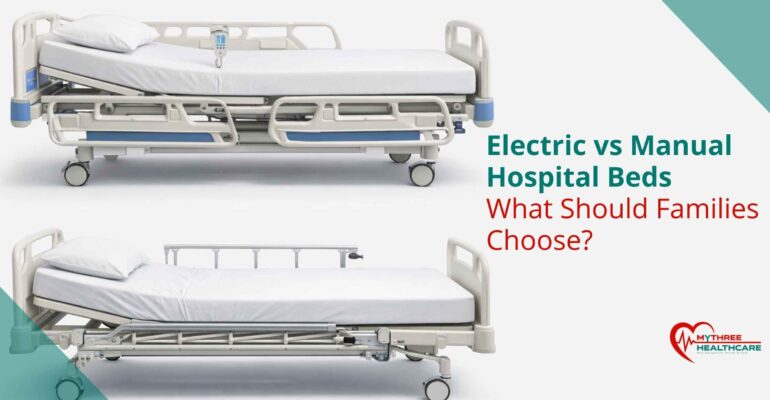
According to publicly available healthcare data, the global hospital bed market has been steadily growing as more patients receive treatment at home rather than in long-term facilities, with electric and adjustable beds accounting for a significant share of this growth. This trend makes the question of electric vs manual hospital bed more relevant than ever for families managing recovery, elderly care, or chronic conditions at home. Choosing the right bed is not just about comfort—it directly affects safety, caregiver effort, recovery outcomes, and long-term costs.
Families today are increasingly expected to make clinical-grade decisions inside their homes. With limited guidance and high emotional pressure, the wrong choice can lead to caregiver burnout, patient discomfort, or unnecessary expenses. This is where informed decision-making, supported by a reliable healthcare partner like Mythree Healthcare, becomes essential.
What is the difference between electric and manual hospital beds?
At the most basic level, the difference lies in how the bed is adjusted. A manual hospital bed uses mechanical cranks to raise or lower the head, foot, or height of the bed, while an electric or motorized hospital bed relies on powered motors controlled by a handset or remote. However, the real differences go much deeper and affect daily caregiving routines, patient independence, and long-term usability.
Understanding these differences clearly helps families avoid regret after installation and ensures the bed aligns with medical needs, home space, and caregiver availability.
Why does bed choice matter so much in home healthcare?
A hospital bed is not just furniture; it is a medical support system. The right bed can reduce pressure sores, prevent falls, support respiratory function, and enable easier transfers. The wrong bed can increase risk, limit mobility, and place physical strain on caregivers. This is why evaluating home care bed options carefully is critical, especially when care extends beyond a few weeks.
- Patients spend extended hours in bed during recovery.
- Caregivers perform repetitive tasks like repositioning and transfers.
- Improper posture can slow healing and worsen pain.
Mythree Healthcare works closely with families to match medical requirements with the right bed configuration, whether for short-term recovery or long-term care.
Manual hospital beds: When do they make sense?
A manual hospital bed is often chosen for its lower upfront cost and mechanical simplicity. These beds can be suitable for patients who require minimal repositioning or where a caregiver is always available to assist with adjustments.
Key advantages include:
- No dependency on electricity, reducing operational risk during power outages.
- Lower rental and purchase costs compared to electric beds.
- Simple design with fewer electronic components.
However, manual beds require physical effort. Over time, repeated cranking can strain caregivers, particularly when caring for heavier patients or elderly individuals with limited mobility. For this reason, manual beds are best suited for short-term use or situations with robust caregiver support.
Electric and motorized hospital beds: Why are families choosing them?
A motorized hospital bed offers powered adjustment of head, foot, and often height positions at the touch of a button. This significantly improves comfort and autonomy for patients while reducing physical workload for caregivers.
Benefits include:
- Precise positioning for breathing, circulation, and pain management.
- Greater independence for patients who can adjust the bed themselves.
- Improved safety during transfers and repositioning.
For families caring for an elderly hospital bed requirement or managing chronic conditions, electric beds often become a necessity rather than a luxury. The initial cost is higher, but the long-term benefits in safety and caregiver well-being are substantial.
How do patient bed features influence recovery?
Modern hospital beds include a range of patient bed features designed to support healing and prevent complications. These features vary between manual and electric models and should be evaluated based on the patient’s diagnosis and mobility level.
- Adjustable head and foot sections for circulation and comfort.
- Height adjustment for safe transfers.
- Side rails to prevent falls.
- Compatibility with pressure-relief mattresses.
Mythree Healthcare ensures that every bed offered for rental or purchase meets clinical safety standards and is compatible with commonly prescribed accessories.
Hospital cot comparison: Cost, comfort, and care effort
A thorough hospital cot comparison goes beyond price tags. Families must weigh cost against comfort, safety, and caregiver workload.
| Aspect | Manual Bed | Electric Bed |
|---|---|---|
| Adjustment | Hand-cranked | Remote-controlled |
| Caregiver effort | High | Low |
| Patient independence | Limited | High |
| Cost | Lower | Higher |
This comparison highlights why many families initially choose manual beds but later transition to electric options as care demands increase.
Is renting a hospital bed better than buying?
For many families, hospital cot rental offers flexibility and cost control. Renting is ideal for post-surgery recovery, short-term rehabilitation, or trial periods before committing to a purchase.
Advantages of renting with Mythree Healthcare include:
- Quick delivery and installation in Bangalore and Hyderabad.
- Professionally maintained and sanitized equipment.
- Option to upgrade or switch models as needs evolve.
For long-term or permanent conditions, purchasing may be more economical over time. Mythree Healthcare helps families evaluate both options transparently.
Choosing the right bed for home recovery
Selecting the right bed for home recovery depends on multiple factors: medical advice, duration of care, patient mobility, and caregiver availability. A short recovery from surgery may not require full electric functionality, while long-term neurological or geriatric care almost always benefits from it.
Ignoring these nuances can lead to discomfort, increased medical complications, or caregiver exhaustion—costs that far outweigh the price difference between bed types.
Why Mythree Healthcare is the trusted choice for families
Mythree Healthcare is a specialized healthcare equipment provider offering hospital beds and medical equipment for rent and purchase. Based in India and serving Bangalore and Hyderabad, the company focuses on making clinical-grade care accessible at home.
Families can rent or purchase medical equipment by filling and submitting the form at https://mythreehealthcare.com/contact/, calling +91 8904139314, or sending a WhatsApp message through the website interface. The Mythree Healthcare team calls back promptly to guide families through selection, pricing, and setup.
Delaying the right decision often means prolonged discomfort or avoidable complications. Choosing Mythree Healthcare means choosing clarity, reliability, and a partner who understands that home healthcare decisions are deeply personal and medically critical.
About Mythree Healthcare
Mythree Healthcare is a healthcare equipment rental and sales provider specializing in hospital beds, mobility aids, respiratory equipment, and recovery support systems. With a strong focus on safety, hygiene, and expert guidance, Mythree Healthcare helps families deliver hospital-level care in the comfort of home.
Electric vs Manual Hospital Beds: FAQs for Families
When families evaluate an electric vs manual hospital bed, the decision usually depends on the level of care required, caregiver availability, and patient comfort. Electric beds offer effortless adjustments using a handset, while manual beds rely on physical cranks. Mythree Healthcare helps families assess mobility, medical needs, and home layout before recommending a suitable solution.
A manual hospital bed can be a practical choice for short-term recovery or situations where adjustments are infrequent. It is cost-effective and mechanically simple, but it does require caregiver effort. Mythree Healthcare often recommends this option when budget constraints exist and the patient does not need frequent repositioning.
A motorized hospital bed allows patients to adjust head, leg, and height positions independently, improving comfort and reducing caregiver strain. For long-term or post-surgical care, Mythree Healthcare often suggests electric models because they support better circulation, easier transfers, and safer daily routines.
Mythree Healthcare offers a wide range of home care bed options, including rental and purchase plans. These solutions are curated to fit residential spaces while maintaining hospital-grade safety, ensuring families can create a comfortable healing environment without compromising medical standards.
For many families, an elderly hospital bed with electric controls improves independence and dignity. Seniors can adjust their position without assistance, reducing fall risks and discomfort. Mythree Healthcare focuses on safety rails, smooth height adjustment, and mattress compatibility when advising for senior care.
Yes, hospital cot rental is a popular choice for temporary recovery needs. Mythree Healthcare provides flexible rental durations, maintenance support, and quick delivery, making it easier for families to access quality equipment without a long-term commitment.
Key patient bed features include adjustable height, backrest and leg elevation, sturdy side rails, and compatibility with pressure-relief mattresses. Mythree Healthcare guides families through these considerations to ensure the selected bed aligns with medical advice and daily caregiving routines.
A clear hospital cot comparison involves evaluating adjustment functions, ease of use, safety certifications, and cost. Mythree Healthcare simplifies this process by explaining practical differences and recommending beds based on diagnosis, recovery timeline, and home constraints.
The right bed for home recovery depends on mobility, pain management, and caregiver support. Mythree Healthcare frequently suggests electric beds for smoother transitions from hospital to home, while also offering manual alternatives when appropriate.
Search
Categories