
Best mattress for bed sore prevention: expert-approved choices
2026-02-23 5:15
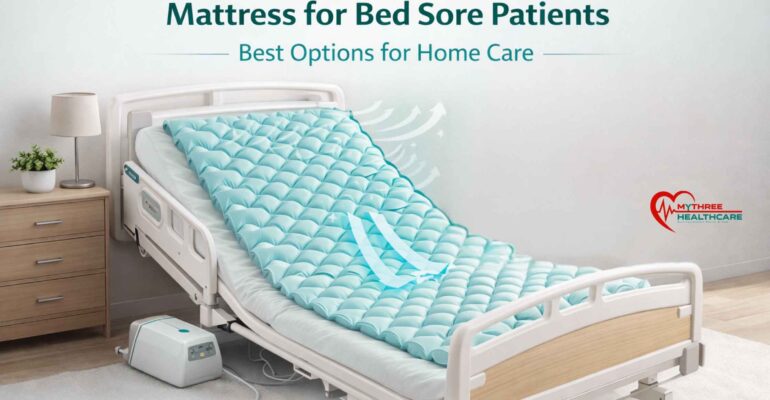
Bed sores (also called pressure ulcers) are not just “skin problems”—they can become painful, infected, and life-threatening if not prevented early. In fact, pressure ulcers impact an estimated 2.5 million people every year (a widely quoted public statistic in clinical and hospital care discussions), making prevention a top priority for families, caregivers, and healthcare teams—especially for patients who are bedridden or have limited mobility.
If you’re here searching for the best mattress for bed sore prevention, you’re already taking the right first step: prevention is far easier, safer, and more affordable than treatment.
What is the best mattress for bed sore prevention?
The best mattress for bed sore prevention is one that redistributes pressure away from bony areas (like hips, heels, tailbone, shoulders), minimizes friction and shear, improves airflow, and supports repositioning routines without bottoming out. In most cases, expert-approved choices include alternating pressure air mattresses, high-density medical foam mattresses, and hybrid pressure-relief surfaces designed for hospital beds.
For patients at high risk—such as elderly individuals, post-surgery patients, stroke patients, spinal injury patients, or anyone confined to bed—choosing the right mattress is not a luxury. It’s a core part of home healthcare setup.
Why bed sores happen (and why mattresses matter so much)
Bed sores occur when blood flow to the skin is reduced for long periods due to constant pressure. Without enough oxygen and nutrients, skin and underlying tissues start to break down—often silently at first.
Common causes of pressure ulcers
- Prolonged pressure on hips, back, heels, elbows, or tailbone
- Shear forces (skin pulled in one direction while bone moves another)
- Friction caused by dragging while repositioning
- Moisture due to sweating or incontinence
- Poor nutrition and hydration
- Reduced sensation (neuropathy, paralysis, coma, sedation)
Here’s the key: you can’t control mobility limitations instantly—but you can immediately upgrade the surface the patient lies on. This is why clinicians and experienced caregivers treat the mattress as the “frontline defense” in bed sore prevention.
How to choose the best mattress to prevent bed sores at home
The best mattress to prevent bed sores depends on patient risk level, time spent in bed, ability to reposition independently, weight, skin condition, and presence of moisture/incontinence. A “soft” mattress is not always the answer; medical-grade pressure redistribution needs structured support.
Checklist: what experts evaluate in a pressure sore prevention mattress
- Pressure redistribution (reduces peak pressure points)
- Immersion and envelopment (how well the body sinks into and is supported by the surface)
- Microclimate control (airflow, cooling, moisture management)
- Shear reduction design (particularly important for head elevation)
- Bottoming-out resistance (high importance for heavier patients)
- Ease of cleaning (especially for homecare)
- Compatibility with hospital beds (size, straps, stability)
If your loved one already has redness, tenderness, bruising over bony areas, or limited ability to turn—do not “wait and watch.” The earlier you switch to a clinical-grade mattress, the more you reduce the probability of ulcers progressing to deeper stages.
Expert-approved choices: types of mattress for bedsore prevention
Below are the most trusted surface categories used in hospitals and home healthcare environments. Understanding these helps you confidently select the best mattress for bed sores based on clinical need—not guesswork.
1) Alternating pressure air mattress (APAM)
An alternating pressure mattress uses air cells that inflate and deflate in cycles, shifting pressure from one area to another. This mimics micro-movement and reduces prolonged pressure on bony prominences—an essential mechanism for high-risk patients.
- Ideal for: bedridden patients, post-operative recovery, paralysis, elderly patients with very limited mobility
- Advantages: strong pressure relief, reduces continuous loading, often includes adjustable pressure
- Care tip: ensure pump settings match patient weight and comfort
2) Medical-grade foam pressure redistribution mattress
These mattresses use layered high-density foam designed to spread body weight more evenly and reduce pressure points. Unlike regular foam, medical-grade foam is engineered to maintain structure over time without sagging.
- Ideal for: moderate risk patients, partially mobile patients, caregivers needing low-maintenance surfaces
- Advantages: silent, stable, no pump required, easy to use
- Care tip: choose waterproof, breathable covers for microclimate control
3) Hybrid mattresses (foam + air technology)
Hybrid options combine structured foam layers with air pockets or air channels for airflow and pressure reduction. These can be excellent when comfort and pressure relief need to be balanced.
- Ideal for: long-term homecare patients with moderate to high risk
- Advantages: improved support, often better temperature management
4) Low air loss mattresses (advanced clinical support)
Low air loss surfaces are designed to manage heat and moisture by allowing airflow through the mattress. They are typically used for patients with high risk of skin breakdown, excessive sweating, or existing early-stage ulcers.
- Ideal for: advanced risk, fragile skin, moisture-related breakdown
- Advantages: microclimate control, improved comfort for long-duration bed rest
Which mattress is the best mattress to avoid bed sores for different patient needs?
The phrase best mattress to avoid bed sores can mean different things depending on the patient’s condition. Use this guide to match the mattress type to the real-world scenario.
Quick comparison table
| Patient profile | Risk level | Recommended choice | Why it works |
|---|---|---|---|
| Elderly patient, mostly in bed | High | Alternating pressure air mattress | Reduces prolonged pressure automatically |
| Post-surgery patient with assisted mobility | Moderate | Medical-grade foam mattress | Stable support + pressure redistribution |
| Stroke patient with limited turning ability | High | Alternating pressure + hospital bed | Improves posture, care access, pressure relief |
| Incontinence + sweating issues | High | Low air loss mattress | Microclimate management reduces skin breakdown |
| Long-term homecare | Moderate to High | Hybrid mattress system | Balanced comfort + pressure relief |
If you’re unsure, consider this safe rule: if the patient spends 15+ hours/day in bed or cannot reposition without assistance, the mattress should move from “normal comfort” to “clinical prevention.”
What makes a mattress truly “bed sore prevention grade”?
A true mattress for bedsore prevention is engineered to protect tissue viability—not just improve softness. Many standard mattresses create hidden risks by increasing sinking in some parts and pressure concentration in others.
Signs your current mattress may be risky
- Visible sagging in the center
- Patient complains of hip/tailbone pain after lying down
- Redness on heels/hips that lasts more than 30–60 minutes after repositioning
- Frequent sweating or damp skin
- Caregivers struggle to reposition due to friction
The danger is that early pressure ulcers start under the skin—by the time you “see” it clearly, the damage may already be progressing. That’s why investing in the right prevention mattress is one of the highest ROI decisions in homecare.
How to prevent bed sores: step-by-step plan (mattress + care routine)
Even the best mattress for bed sore prevention performs best when combined with a consistent routine. Here’s a practical prevention system used by experienced caregivers.
Step-by-step prevention plan
- Choose the correct mattress based on risk (alternating pressure for high risk).
- Use a hospital bed when needed to improve positioning and reduce shear from awkward angles.
- Reposition regularly (often every 2 hours, or as advised by the clinician).
- Protect heels using supports or elevation.
- Keep skin dry and manage moisture/incontinence promptly.
- Provide hydration + protein (nutrition is a major prevention factor).
- Inspect skin daily (especially hips, heels, tailbone, shoulder blades).
Notice how the mattress is step 1. That’s intentional. Without pressure redistribution, even frequent turning may not be enough—especially for fragile skin.
Why your hospital bed setup matters as much as the mattress
Many families invest in a mattress but keep the patient on a regular home bed. That can be a missed opportunity. A hospital bed allows elevation, easier caregiver access, safer patient transfer, and controlled positioning—which directly reduces shear and pressure ulcer risk.
Hospital bed features that support prevention
- Backrest elevation to support breathing and comfort (while minimizing sliding)
- Knee rest function to reduce body sliding and shear
- Height adjustability to reduce caregiver strain and improve repositioning quality
- Side rails for safety and assisted turning
Pairing a clinical mattress with the right bed structure is often what turns “basic care” into “hospital-grade homecare.”
Rent or buy: what’s the smartest way to get the best mattress for bed sore prevention?
Not every family needs to purchase medical equipment permanently. In many cases, renting makes more sense—especially for post-surgical recovery or short-to-mid-term bedridden periods.
When renting makes sense
- Temporary recovery after surgery
- Trial period to choose the best fit
- Uncertain duration of bed rest
- Need quick delivery and setup
When buying makes sense
- Long-term mobility limitation
- Chronic neuro conditions requiring extended care
- Recurring need for homecare equipment
Either way, what matters is speed and correctness. Delaying the right setup often results in avoidable complications—and those costs (medical, emotional, and time) are far higher than a preventive solution.
Get the right bed sore prevention setup with Mythree Healthcare (Bangalore & Hyderabad)
Mythree Healthcare is a medical equipment provider specializing in hospital beds and essential homecare equipment for both rent and purchase. If you are setting up patient care at home in Bangalore or Hyderabad, Mythree Healthcare helps you choose a safer, clinically appropriate configuration—so you don’t end up overspending or selecting the wrong product.
What you can get from Mythree Healthcare
- Hospital beds for home care (rental and purchase options)
- Pressure relief mattress options for bed sore prevention
- Patient mobility and positioning support equipment
- Other essential hospital-grade equipment for home recovery
The real advantage? You’re not left guessing. You get guidance that matches the patient’s risk level, comfort needs, caregiver workflow, and the practical realities of homecare.
How to rent or purchase medical equipment quickly
- Fill out and submit the form at https://mythreehealthcare.com/contact/
- Or call +91 8904139314 to request rental or purchase details
- You can also send a WhatsApp message using the website’s WhatsApp interface to request information
- Mythree Healthcare’s team will call you back and assist with the rental or purchase
If you’re currently caring for a patient at home, choosing late can mean losing valuable prevention time. Getting the right equipment now can protect skin, reduce pain, avoid infections, and help recovery progress faster with less caregiver stress.
About Mythree Healthcare
Mythree Healthcare is a healthcare equipment provider based in India, serving Bangalore and Hyderabad, specializing in hospital beds and homecare medical equipment for rent and purchase. The team supports families, caregivers, and healthcare providers by enabling safe, hospital-grade patient care at home with reliable equipment options and assisted selection.
When prevention matters—especially for bedridden patients—choosing a proven pressure-relief surface and a supportive bed setup becomes one of the most meaningful decisions you can make. The right setup is not just about comfort. It is about safety, dignity, and avoiding complications that shouldn’t happen.
Frequently Asked Questions: Best Mattress for Bed Sore Prevention
The best mattress for bed sores is one that reduces pressure on bony areas (tailbone, hips, heels, shoulders) and keeps the skin microclimate comfortable (not too hot or sweaty).
For people on extended bed rest, experts typically recommend an alternating pressure air mattress or a high-grade pressure redistribution mattress, because these are designed specifically to reduce continuous pressure over time.
Mythree Healthcare supports patients and caregivers with bed sore prevention solutions, including pressure-relief mattresses and guidance on correct setup, positioning routines, and usage tips for better results.
The best mattress to avoid bed sores depends on mobility level, body weight, and how many hours a person remains in one position.
- Alternating air mattresses are often best for high-risk patients as they periodically shift pressure points.
- High-density foam / medical-grade foam helps redistribute weight and works well for moderate risk.
- Gel layers can improve comfort and reduce localized pressure, often used as an enhancement over foam.
Mythree Healthcare offers options across these categories and helps you match the mattress type to the patient’s risk level, comfort needs, and care setting (home care or clinical support).
When selecting the best mattress for bed sore prevention, focus on pressure relief, stability, and hygiene-friendly design.
Key features to look for include:
- Pressure redistribution (zoned support or alternating pressure function)
- Breathable surface to reduce heat and moisture buildup
- Water-resistant, easy-to-clean cover for hygiene
- Edge stability for safer patient transfers
- Compatibility with hospital beds (if using adjustable frames)
- Correct size and weight capacity
Mythree Healthcare can help evaluate your requirements and recommend a mattress option that fits the patient profile and daily care routine.
Yes. The best mattress to prevent bed sores for elderly patients at home is typically a pressure-relief mattress that balances safety, comfort, and easy maintenance.
If the person is mostly bed-bound or has limited mobility, an alternating pressure mattress is usually recommended. For elderly patients who can shift positions with help, a high-grade pressure redistribution foam mattress may be adequate and more “home-like” in feel.
Mythree Healthcare provides home-care friendly solutions, along with guidance on usage, routine repositioning schedules, and caregiver best practices to reduce bed sore risk.
A supportive mattress should reduce pressure marks and discomfort, and it should not allow “bottoming out” (where the patient sinks so much that pressure concentrates on the bed base).
Signs your mattress is helping include:
- Reduced redness or pressure spots in vulnerable areas
- Better sleep and less restlessness due to discomfort
- Improved skin condition with less dampness from sweating
- More stable positioning for patient turning and transfers
Mythree Healthcare also supports caregivers with practical usage guidance to ensure the chosen solution performs effectively in real-life conditions.
A mattress for bedsore prevention is especially important for individuals who cannot change positions regularly or have poor circulation.
It is strongly recommended for:
- Bed-bound patients (post-surgery, paralysis, severe weakness)
- Elderly people with limited mobility
- Patients with diabetes or vascular conditions
- Individuals recovering from stroke or long ICU stays
- People using wheelchairs for extended periods (bed support still matters)
Mythree Healthcare offers tailored pressure-relief solutions depending on the risk level, care plan, and duration of immobility.
If redness or early pressure injury signs appear, the best approach is to upgrade pressure management immediately and consult a clinician or wound care specialist.
In such cases, the best mattress to avoid bed sores is often an alternating pressure air mattress or another advanced pressure redistribution surface, because it reduces prolonged pressure on one area.
Mythree Healthcare can help you choose a more effective pressure-relief option, provide caregiver guidance on positioning, and recommend complementary support tools used in pressure injury prevention routines.
A mattress is a major part of prevention, but it works best as part of a complete routine. Even the best mattress to prevent bed sores cannot replace regular turning schedules, skin inspection, hydration, nutrition, and hygiene.
For best results, combine the mattress with:
- Repositioning and pressure offloading (as advised by clinicians)
- Keeping skin clean and dry
- Using appropriate support cushions/pillows for alignment
- Proper bedding (avoid wrinkles that cause friction)
- Nutrition support for skin health
Mythree Healthcare supports families and facilities with holistic solutions that combine equipment, education, and practical care guidance.
Search
Categories